
"VISAKI is a research project that develops new VR approaches for children with social anxiety -
together with clinics, families and science."

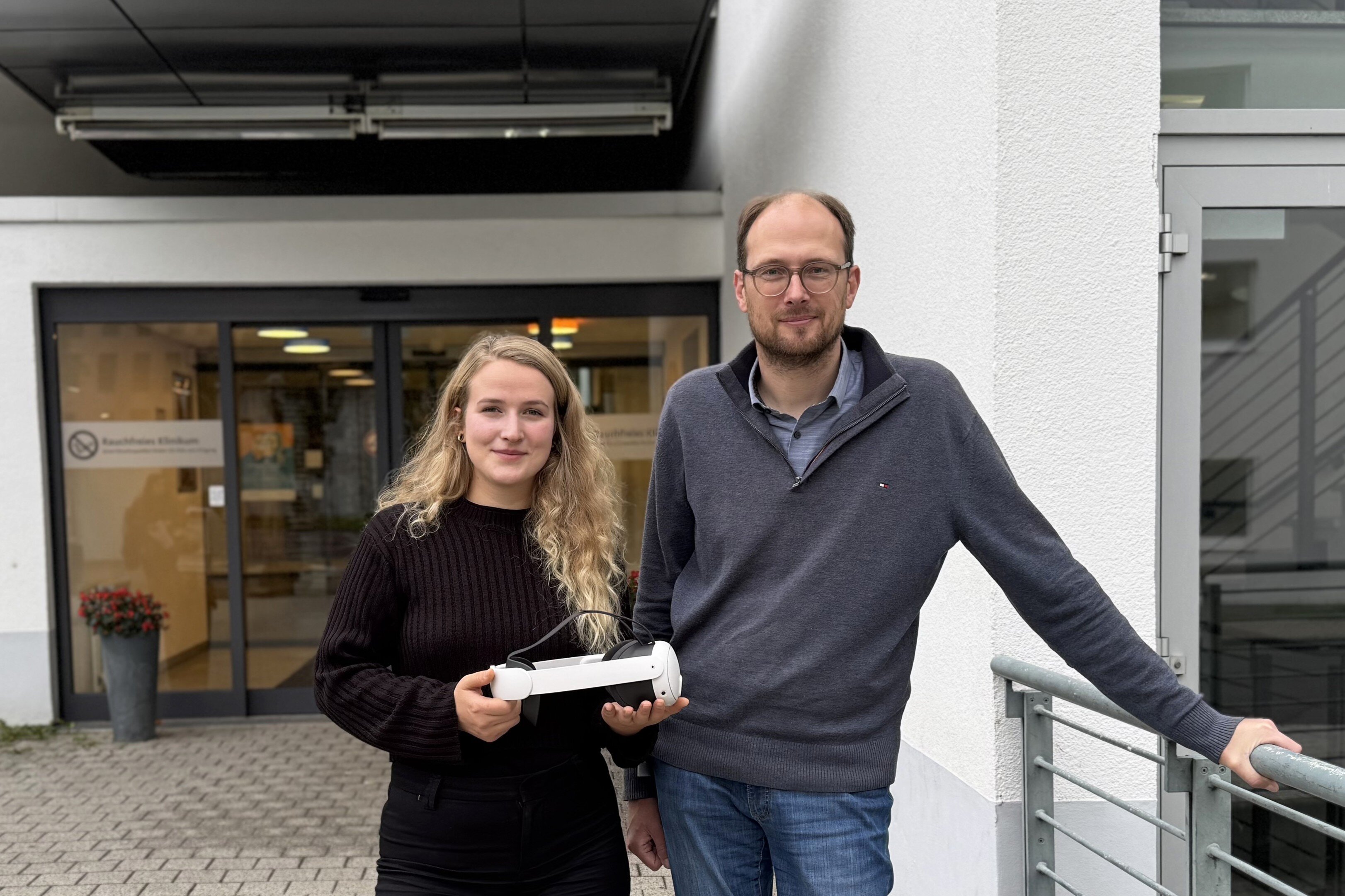
Project objective: The project aims to develop and evaluate a real-time 3D VR system for children aged 8 to 12. This platform supports children to practice their social skills in a safe environment and different scenarios through playful elements and immersive experiences. The main components include multi-user sessions to encourage peer support, development of interactive gamification elements and presentation of complex interactions and therapeutic scenarios. Children experience a sense of community and improve their social skills through avatars and virtual group interactions. The aim is to bridge breaks in therapy and increase the effectiveness of the treatment.
Motivation: Social anxiety disorder in children is widespread and can severely impair school and social life. The anxiety leads to social withdrawal, loneliness and other psychological problems in adulthood. Without early treatment, these disorders usually persist, which has a negative impact on education and social participation.
Innovation and prospects: The results of the project can reshape the treatment of social anxiety disorders. VR enables more intensive and more frequent applications of the techniques learnt. It can be used in clinics and schools and the scenarios can be extended to other mental anxiety disorders and age groups.
News
Archiv
How do children with social anxiety disorder experience digital support? And what do they really need to feel safe, understood and motivated?
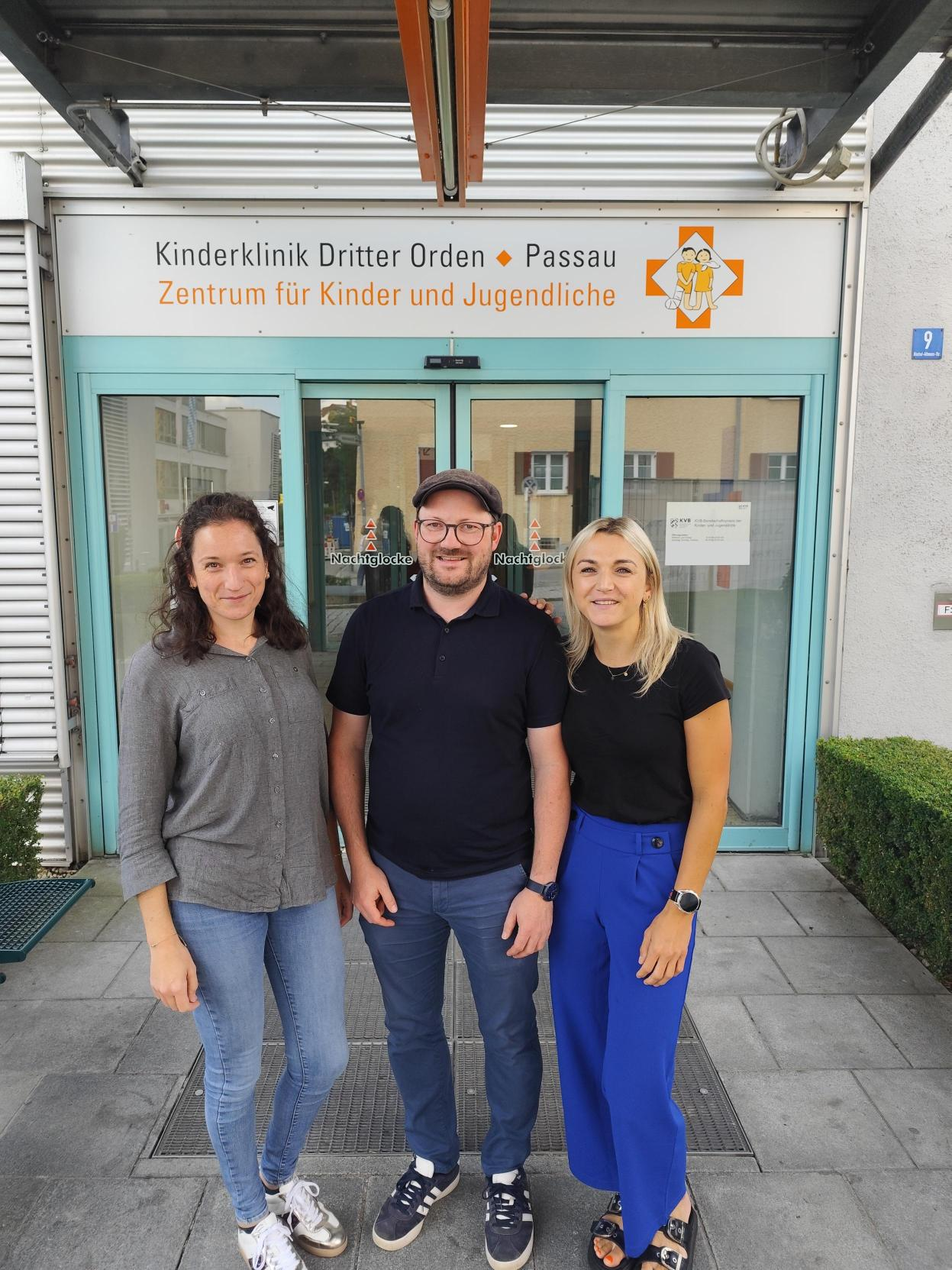
With these and a number of other questions in mind, the interdisciplinary research project VISAKI is now embarking on a needs analysis, with a particular focus on the children’s own perspectives. In August, the first focus group took place at Landshut District Hospital. Their wishes, experiences and views are to be incorporated directly into the design of the digital solution.
“We ourselves are really excited to meet the children. It is, after all, a special group and quite different from the interviews with parents and therapists. Completely new territory for us. Admittedly, we are a bit nervous, but we’re really looking forward to it. Especially to the results,” said Corinna Pippirs and Lena Gürster shortly before the focus group began. The focus group was also supported by child and adolescent psychologist Anett Kretschmer-Trendowicz from Landshut District Hospital.

dIT Projektteam
Simply contact us at: visaki@th-deg.de
Project partner